Birth Academy Home

Category

Midwifery Education

10 articles

Grief Without a Protocol: Why Loss Care Must Become a Clinical Competency in Maternal Health Training

Grief Without a Protocol: Why Loss Care Must Become a Clinical Competency in Maternal Health Training

Miscarriage, stillbirth, and neonatal loss affect hundreds of thousands of families in the United States each year, yet most maternal health training programs offer little more than a passing reference to bereavement care. This article examines the gap between the psychological and clinical demands of loss support and the preparation clinicians actually receive, arguing that grief literacy is not a soft skill — it is a professional obligation.

When the Plan Changes: Preparing Maternal Health Professionals for the Clinical and Human Complexity of Intrapartum Transfer

When the Plan Changes: Preparing Maternal Health Professionals for the Clinical and Human Complexity of Intrapartum Transfer

Transfer from out-of-hospital birth settings to hospital care represents one of the most clinically and interpersonally demanding moments a birth professional will face, yet most training programs treat it as an afterthought. Evidence-based transfer education requires far more than a list of indications — it demands structured instruction in decision timing, interdisciplinary communication, and sustaining informed consent under pressure. This article examines how midwifery and maternal health pr

One in Three Births, Zero Core Curriculum: Rethinking How Maternal Health Programs Teach Surgical Delivery

One in Three Births, Zero Core Curriculum: Rethinking How Maternal Health Programs Teach Surgical Delivery

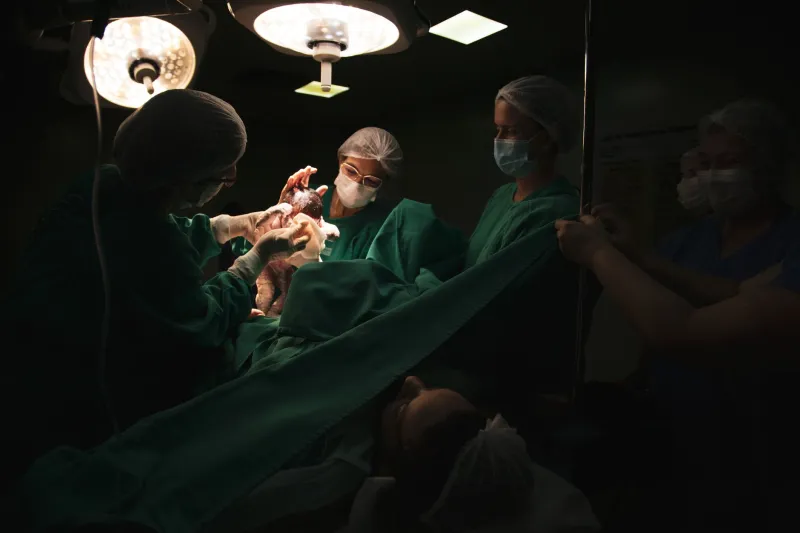
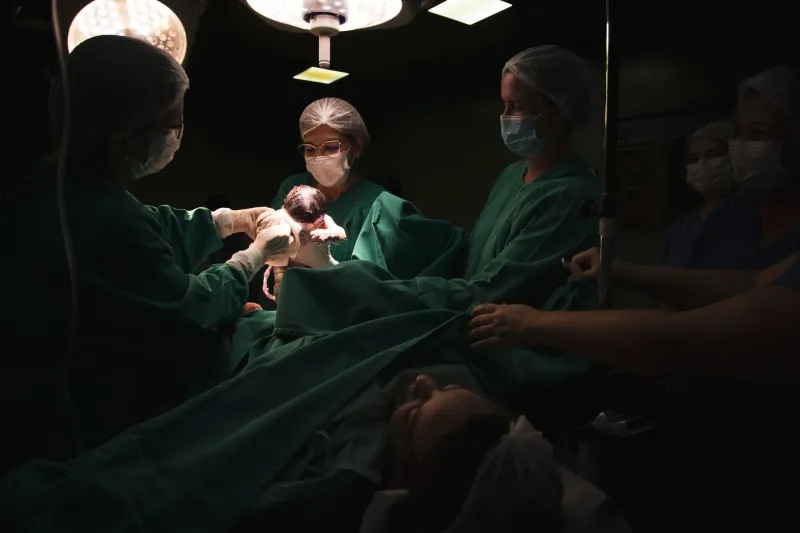
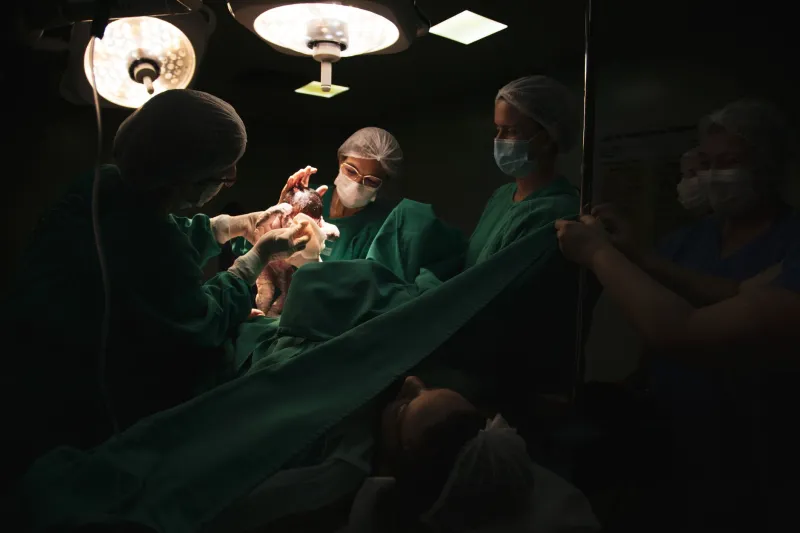
Cesarean delivery accounts for nearly 33 percent of all births in the United States, yet most maternal health training programs relegate surgical birth to supplementary modules or brief clinical observations. This article examines the structural gaps in professional education that leave providers underprepared for the informed consent conversations, postoperative recovery support, and complication recognition that cesarean care demands—and outlines evidence-based approaches for repositioning sur

Pushing With Purpose: Integrating Pelvic Floor Science Into Labor Support Education

Pushing With Purpose: Integrating Pelvic Floor Science Into Labor Support Education

Birth professionals routinely coach pushing without a working knowledge of pelvic floor anatomy, tissue behavior under load, or the difference between voluntary and reflexive muscular engagement. The result is a generation of providers offering contradictory cues that can increase perineal trauma and undermine client autonomy. A functional approach to pelvic floor education in midwifery and childbirth training offers a more precise and client-centered alternative.

The Birth Room Is Never Empty: Why Partner and Family Dynamics Belong in Professional Maternal Health Education

The Birth Room Is Never Empty: Why Partner and Family Dynamics Belong in Professional Maternal Health Education

Maternal health professionals are trained to care for the pregnant person — but birth rarely unfolds in isolation. Partners, family members, and chosen support people shape decisions, influence communication, and affect outcomes in ways that standard curricula largely ignore. This article argues for a deliberate, evidence-informed approach to teaching professionals how to assess, engage, and leverage the full human context of the birth room.

Overlooked at Every Stage: The Case for Centering Placental Education in Maternal Health Training

Overlooked at Every Stage: The Case for Centering Placental Education in Maternal Health Training

The placenta governs fetal development, mediates maternal physiology, and is directly implicated in some of the most dangerous complications in obstetric care—yet it remains a peripheral topic in most midwifery and obstetric training programs. This article examines the structural gaps in placental education, what evidence-based instruction actually requires, and how educators can advocate for a more rigorous approach to teaching this irreplaceable organ.

What Maternal Health Curricula Omit: Confronting Racial Bias in Professional Training Programs

What Maternal Health Curricula Omit: Confronting Racial Bias in Professional Training Programs

The United States faces a maternal mortality crisis that falls disproportionately on Black, Indigenous, and other women of color—yet many maternal health training programs have yet to incorporate the structural and interpersonal bias education necessary to address it. This piece examines the curriculum gaps that leave providers underprepared and outlines concrete steps educators can take to build more equitable, justice-centered training programs.

Closing the Postpartum Gap: What Maternal Health Training Programs Are Getting Wrong After Delivery

Closing the Postpartum Gap: What Maternal Health Training Programs Are Getting Wrong After Delivery

Most midwifery and childbirth training programs invest the majority of their curriculum in labor and delivery, leaving the postpartum period chronically underrepresented. This article examines the clinical and psychological dimensions of postpartum care that evidence-based programs must address, and why closing this educational gap is essential to reducing preventable maternal harm in the United States.

Competency Over Clock Hours: Rethinking How We Train Tomorrow's Midwives

Competency Over Clock Hours: Rethinking How We Train Tomorrow's Midwives

Traditional midwifery education has long been measured in lecture hours and rotation schedules — but a growing movement among program directors and accrediting bodies argues that what a graduate can do matters far more than how long they sat in a classroom. This guide examines the principles of competency-based education, the framework established by the American College of Nurse-Midwives, and the practical steps educators can take to build programs that produce genuinely practice-ready birth pr